


Safe and Sound Protocol vs Rest and Restore Protocol: Finding the Right Fit for You
Updated: 4 days ago
There is no single “best” way to support a sensitive nervous system. The Protocol that feels settling for one person can feel simply not right for another. Even the same person may need different support at different stages of life.
That is why comparisons can be useful, as long as they are not definite. Safe and Sound Protocol vs Rest and Restore Protocol is less about choosing the “better” option and more about understanding what each approach offers, what it asks of you, and when it may fit in your life.
This article is for general information only. If you have trauma, complex health needs, hearing sensitivity, or a diagnosed condition, it is best to work with a qualified, psychotherapist or clinical psychologist.

What is the Safe and Sound Protocol?
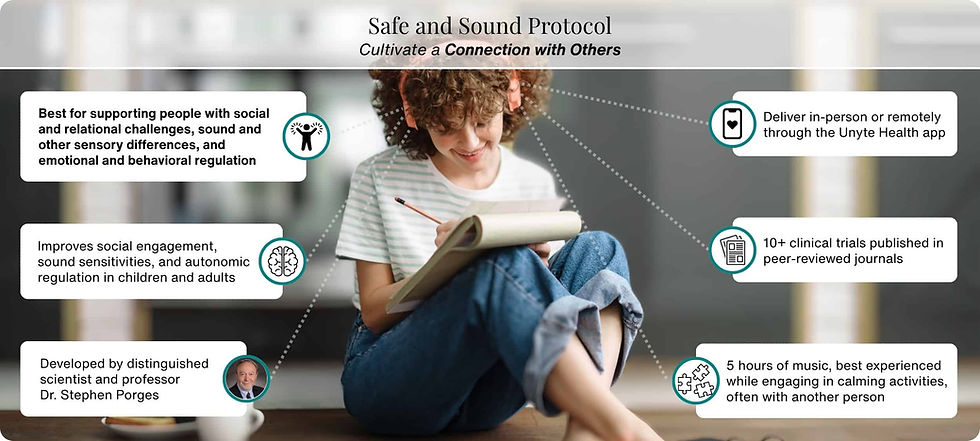
The Safe and Sound Protocol, often called SSP, is a listening-based programme. It uses specially filtered music and is usually delivered with support from a trained provider. The idea behind it is linked to the autonomic nervous system, especially the way the body responds to cues of safety, sound, and social connection.
In practice, SSP often involves listening sessions that may be short and carefully paced. A practitioner may check in before, during, and after the process. For some people, this support and structure are part of what makes it feel manageable.
SSP is not simply “put on music and relax”. It is not relaxation or meditation music. It is a strong vagus nerve stimulation. The listening can bring up strong responses for some people, especially if their system is already overwhelmed. This is why pacing matters. Some people may only do small amounts at a time, with grounding activities before and after.
SSP may appeal to someone who:
likes having a clear structure
responds well to sound or music
is curious about body-based approaches
needs a programme that can be paced carefully
wants to be outward facing in their life and socially connect to others
If a person needs more down regulation, then SSP may not be as useful.
What is the Rest and Restore Protocol?
The Rest and Restore Protocol is often used to describe a stabilising approach to supporting rest, safety, and recovery. Depending on the practitioner or programme, the listening can be supported by breathing practices, grounding, body awareness, somatic movement, rest routines, co-regulation, and daily rhythm work.
Where SSP is usually centred around a 5 hour programme, the Rest and Restore tends to feel broader as it can be used daily by some people continuously with no gaps.
This can make it feel accessible for people who do not want to “do a protocol” in a formal way. It can also be helpful when someone needs the basics first: better sleep routines, less nervous system load and more rest to recover their system so it can begin to repair
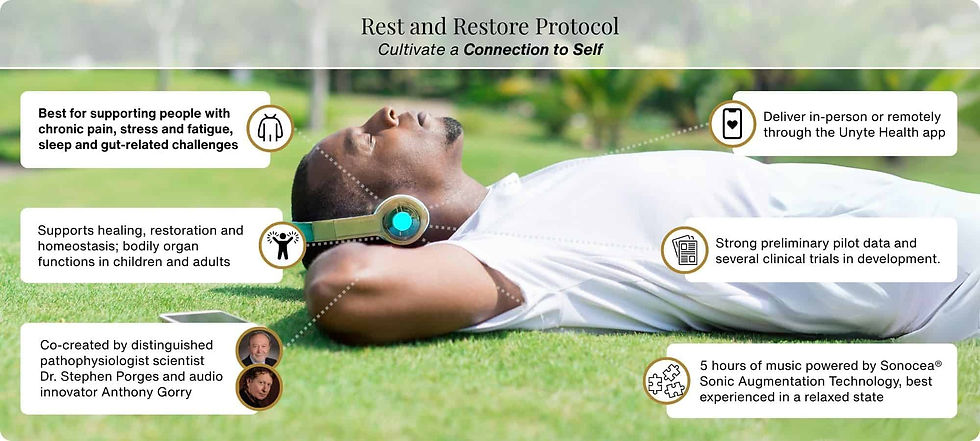
Rest and Restore may appeal to someone who:
wants a daily listening to support sleep
feels easily overwhelmed by structured programmes
needs to build tolerance slowly
wants to focus on rest, rhythm, and everyday regulation
wants an inward facing experience
It may feel less suitable for someone who finds open-ended practices hard to maintain.
Both approaches may sit under the wider umbrella of Nervous System Regulation. In real life, they can feel quite different.
Neither approach should be seen as a quick fix. A nervous system that has been under stress for a long time often needs time, repetition, and safety. The most useful approach is usually the one a person can actually tolerate and return to and the one they like the most.
Why timing matters
Someone may love SSP at one stage and find it too much at another. Someone else may begin with the RRP, build more capacity, and later feel ready to try SSP. The reverse can also happen.
Life circumstances matter too. During grief, burnout, illness, parenting stress, or major change, a person may need somatic exercise before hand to stabilise the system. At a steadier time, they may feel able to engage with something more structured
This is why “which one is better?” is not always the right question. With clients I ask them to consider
What does my body tolerate right now?
Do I feel safer with structure or flexibility?
Do I have enough support around me?
Can I pause or slow down if my system feels activated?
What do I need in my life right now?
Signs that one Protocol is working may include feeling calmer over time, recovering more easily after stress, sleeping a little better, or feeling more present. Signs that something may need adjusting include increased agitation, shutdown, headaches, tension, dread, or feeling pushed beyond capacity.

The Safe and Sound Protocol vs The Rest and Restore Protocol or both?
When comparing the Safe and Sound Protocol vs the Rest and Restore Protocol, the right fit is usually a mix of preference, capacity, history, and support.
They can be combined carefully when you have good guidance and enough capacity
The Rest and Restore Protocol can sometimes support preparation before SSP or integration afterwards.
It is also fine to change your mind. Needing a slower pace or changing protocols sometimes is needed to see what your nervous system needs. Taking a break and not pushing through can actually regulate the Nervous System as the SSP continues to work for up to 4-8 weeks afterwards. For many people, including myself the right fit changes over time.
If you would like more information on either protocol or anything in this article please get in touch.
Michelle Doubtfire - BACP Registered Psychotherapist, Trauma Therapist, Safe and Sound, and Rest and Restore Practitioner.
She works with Stress, Anxiety, Chronic Health Conditions and Trauma with her clients in her clinic Safe Sound Connected.
For further support and information, please contact www.safesoundconnected.com


Comments